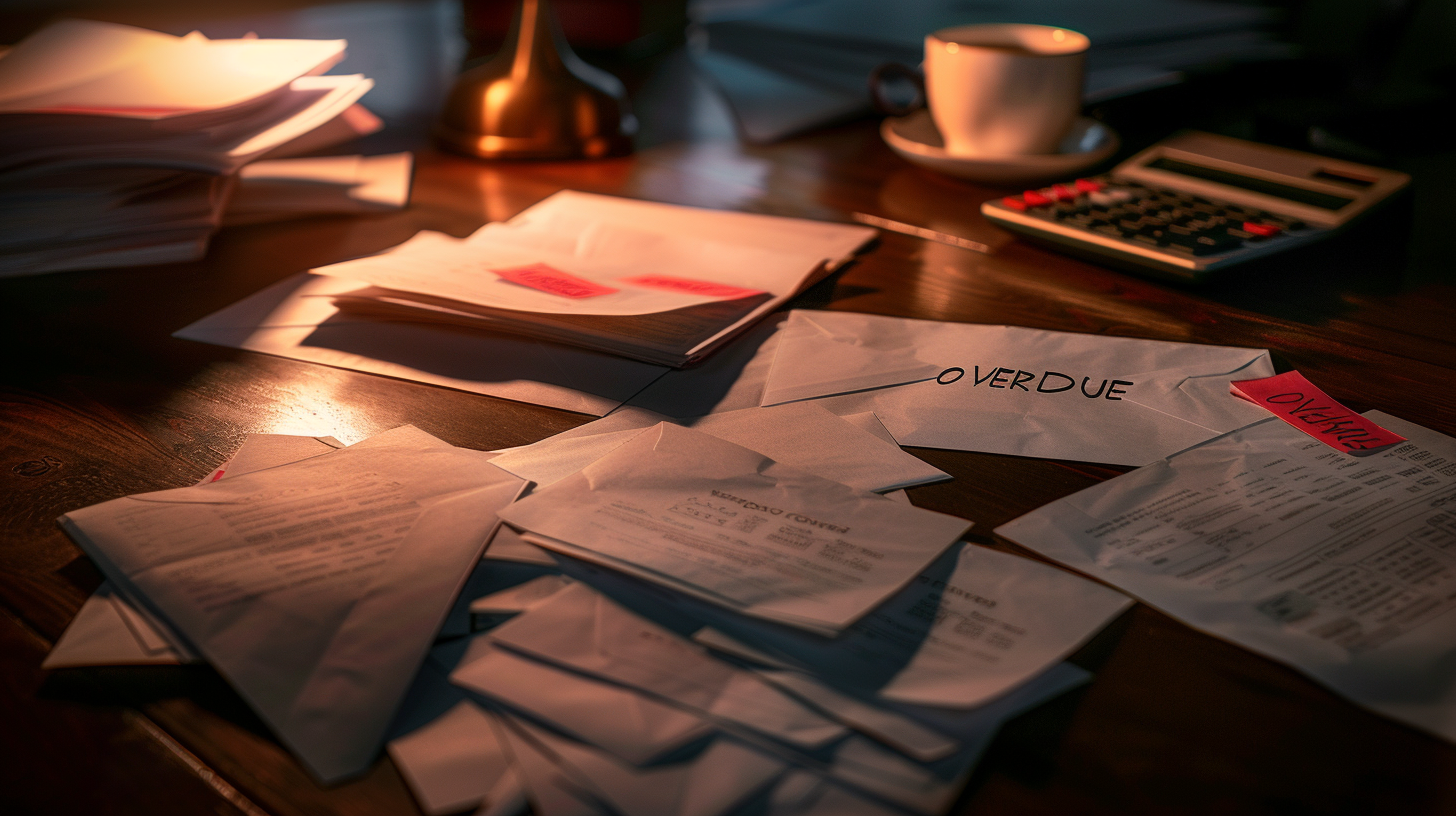
Every small business owner knows the feeling. You've done the work, sent the invoice, and now you're waiting. And waiting. And waiting.
You're not alone. The numbers are staggering.
The scale of the problem
According to recent data, 62.6% of all UK SME invoices are paid late. That's not a rounding error — it's nearly two thirds of every invoice sent by every small business in the country.
The average UK small business is currently owed £21,400 in overdue payments. For a freelancer or sole trader, that could be three months' income sitting in someone else's bank account. For a growing business, it's the difference between hiring and holding.
And the aggregate picture is even bleaker. In the second half of 2025 alone, large UK companies paid £8.75 billion late to their smaller suppliers. That's money earned, invoiced, and simply not paid on time.
Why it matters more than you think
Late payments aren't just an inconvenience. They're an existential threat.
50,000 UK SMEs close every year because of cash flow problems. Not because the work dried up. Not because the product was bad. Because the money they were owed didn't arrive in time to cover the bills.
The knock-on effects are brutal. You can't pay your own suppliers on time, so the problem cascades. You can't invest in growth because your capital is trapped. You spend hours every week on admin that produces zero revenue — chasing, reminding, following up, apologising for following up.
The awkwardness tax
Here's the statistic that should make every business owner angry: 52% of small businesses forfeit money they're owed — up to 10 times per year — simply to avoid the awkwardness of chasing.
Let that sink in. Half of all small businesses would rather lose money than have an uncomfortable conversation. The British politeness premium is costing us billions.
And it's rational behaviour. When your client is also your next contract, the calculus changes. You don't want to be the person who sends aggressive emails about £800 when you're hoping for a £20,000 project next quarter.
What the government is doing
The UK government has recognised the scale of the problem. The Payment Practices Regulations 2024 now require large companies to publicly report their payment practices. The Fair Payment Code encourages businesses to commit to paying within 30 days.
But regulation moves slowly, and the problem is cultural as much as it is systemic. Large companies have entire finance departments optimised to hold cash as long as possible. Small businesses have one person with a spreadsheet and a sense of dread.
What you can actually do
The businesses that get paid aren't the ones who send the angriest emails. They're the ones who chase consistently, politely, and promptly.
The data is clear: invoices chased within the first week of becoming overdue are paid 40% faster than those left for a month. The gentle nudge at day three is worth more than the formal notice at day thirty.
The trick is doing it without it consuming your week. A good credit control process — whether that's a dedicated person, a system, or an automated tool — should chase every invoice at the right time, in the right tone, without you having to think about it.
Because you did the work. You deserve to be paid for it.